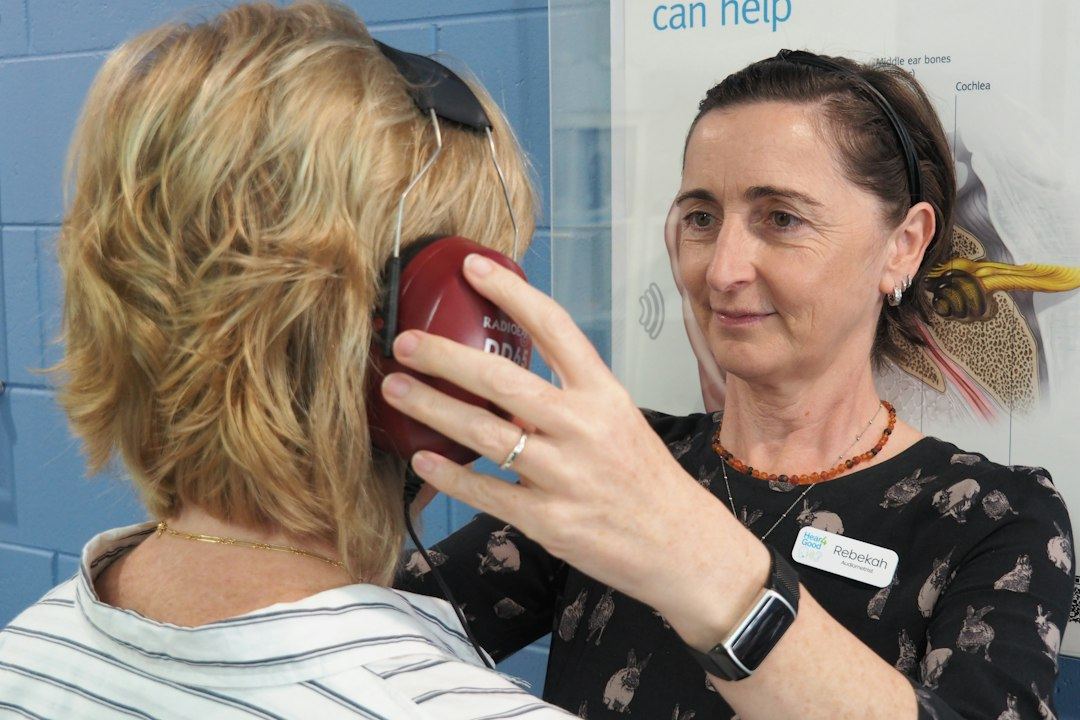
Getting used to new hearing aids
Read what to expect in the first few weeks with new hearing aids. If you need help finding an audiologist in West Bromwich, send an enquiry here at no cost.
Why everything sounds too loud at first
When you first put on hearing aids, ordinary noises can feel overwhelming. The fridge hums louder than you remember. Footsteps on the stairs sound heavy. This happens because your brain has been working with less input for months or years, and it needs time to adjust to the full range of sound again.
The specialist who fits your hearing aids will set them to a level that feels comfortable rather than immediately restoring every frequency to its maximum. Even so, the contrast between silence and amplified sound takes getting used to. You might notice yourself wanting to turn the volume down or take the devices out after half an hour. That impulse is normal.
Most people find that the sharpness fades within a few days as the brain learns to sort background noise from speech again. An audiologist can make small adjustments during follow-up appointments if certain frequencies remain uncomfortable. You do not have to simply endure a setting that causes strain.
Building up wearing time each day
Wearing hearing aids for a full day straight away usually leads to fatigue. Start with one or two hours in a quiet room at home. Sit and listen to familiar sounds: the clock ticking, water running in the kitchen, someone reading aloud nearby. This gives your brain a manageable amount of new information to process.
Add another hour the next day, then another. Move into slightly busier environments as you go. A short walk outside brings wind, traffic and birdsong without the pressure of holding a conversation. By the end of the first week, many people manage four or five hours comfortably.
If you feel tired or develop a headache, take the aids out and rest. Pushing through discomfort does not speed up the process. Consistency matters more than duration. Putting the aids in at the same time each morning helps establish a routine, so wearing them stops feeling like a deliberate effort and becomes part of getting dressed.
Handling conversations in busy places
A quiet living room is one thing. A pub or a busy cafe is another. Background chatter, clattering cups and music all compete for the microphone in your hearing aid. Modern devices use directional microphones to focus on the person sitting in front of you, but they cannot eliminate surrounding noise entirely.
Sit facing the person you want to hear. Position yourself with your back to the main source of noise, such as a speaker or a busy counter. Ask people to face you when they speak rather than calling across a table. These small changes reduce the work the hearing aid has to do.
Expect the first few outings to be tiring. Your brain is learning to filter again, which takes concentration. After a few weeks in varied settings, the effort drops noticeably. If a particular environment remains difficult, mention it to the audiologist. They can programme a specific setting for noisy spaces that you switch to when needed.
Physical comfort and fit adjustments
Hearing aids sit either behind the ear or inside the ear canal. Both styles need a period of physical adjustment. You might feel mild pressure where the device rests, or a strange sensation of your ear being partially blocked. This usually settles as the skin adapts.
Soreness that lasts beyond the first few days means something needs changing. The mould might be pressing on a sensitive spot, or the dome could be the wrong size. An audiologist can reshape a custom mould or swap a silicone tip in minutes. Do not try to bend or trim parts yourself.
Keep the devices dry while you build up wearing time. Take them out before showering and avoid leaving them on a bathroom counter where steam collects. Moisture damages the electronics and irritates the skin around the ear. A dry, ventilated case overnight protects both the hardware and your comfort.
When to ask the audiologist for help
Some things resolve on their own. Others need a professional look. If you hear a persistent whistling sound, the aid may not be seated correctly, or wax could be blocking the microphone. A guide on [why hearing aids whistle](/latest/why-does-my-hearing-aid-whistle) covers the common causes, but the audiologist can fix it quickly if you cannot.
Feedback, distortion or sudden drops in volume are not problems you should wait out. Neither is a feeling that the aids are making your hearing worse. Book a follow-up appointment rather than assuming you need more time to adjust.
You can also ask about cleaning routines. Knowing [how to care for hearing aids](/latest/how-to-clean-and-care-for-hearing-aids) prevents most minor faults. If you are still deciding between styles, discussing whether [behind-the-ear or in-the-ear models](/latest/behind-the-ear-or-in-the-ear-hearing-aids) suit your daily routine can make the adjustment period shorter. Patience helps, but so does knowing when to ask for support.
Ask about hearing aids in West Bromwich
Send an enquiry and a local audiologist will reply with advice on fitting, costs and what to expect. There is no obligation to book anything.
- No obligation
- Local audiologists
- Free initial advice