Do I need a hearing test?
Send an enquiry about your hearing and a local audiologist will explain whether a test makes sense. There is no charge for asking, and nothing to commit to until you decide.
Why the question comes up
Most people do not wake up one morning and decide their hearing has changed. It happens slowly. You start turning the television up a little higher than usual. Conversations in busy rooms take more effort. You catch yourself asking people to repeat things, then apologising for it.
These small shifts are easy to dismiss. They might be tiredness, background noise, or just a bad day. But when they keep happening, the question sits there: do I actually need a hearing test?
The honest answer is that guessing does not settle anything. Worrying about it at home only adds to the uncertainty. A test replaces guesswork with numbers. It tells you exactly what your ears can and cannot pick up right now.
What a hearing test actually measures
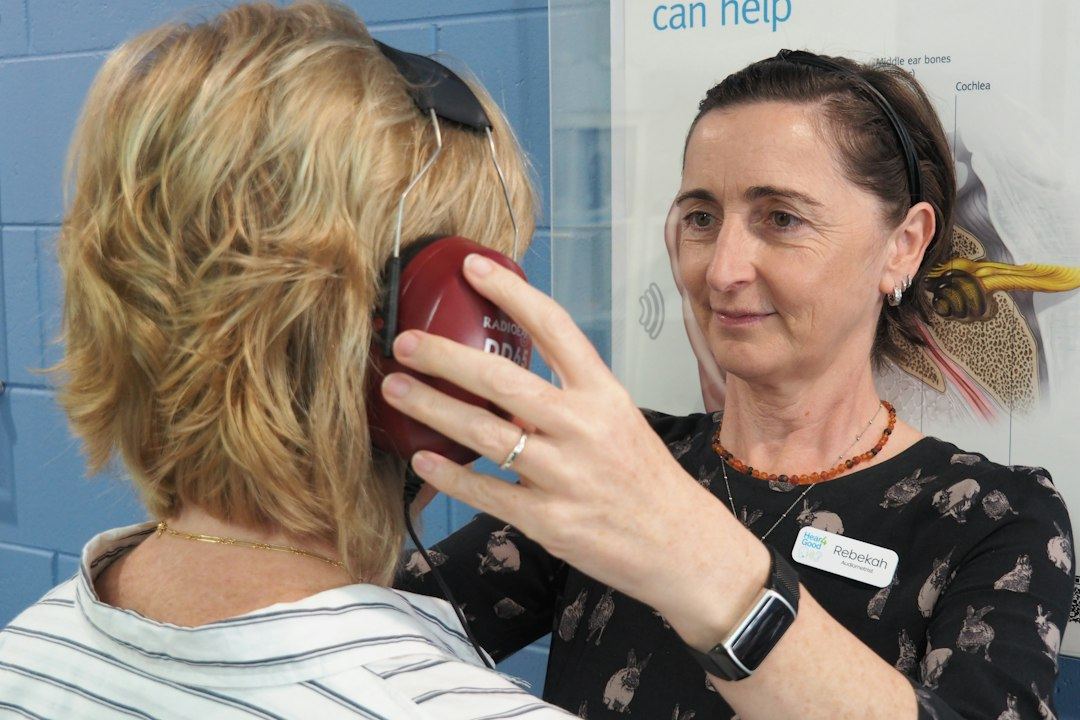
A hearing test is straightforward. An audiologist plays tones through headphones and records the quietest sounds you can detect at different pitches. The result is a chart showing how each ear performs across the range of human speech.
That chart removes the ambiguity. If everything falls within normal limits, you leave knowing the problem lies elsewhere. Perhaps the room was too loud, or wax was blocking sound. If the chart shows a dip, the audiologist can say where it sits and how much it affects daily life.
You do not need to be struggling to justify booking one. People go because they noticed a change, because a relative suggested it, or simply because they want a baseline to compare against in future years. Any reason is enough.
When signs point to something else
Not every hearing difficulty means permanent loss. A blocked ear from compacted wax can muffle sound so badly it mimics a serious problem. Tinnitus, a ringing or buzzing sensation, sometimes accompanies temporary blockages rather than lasting damage.
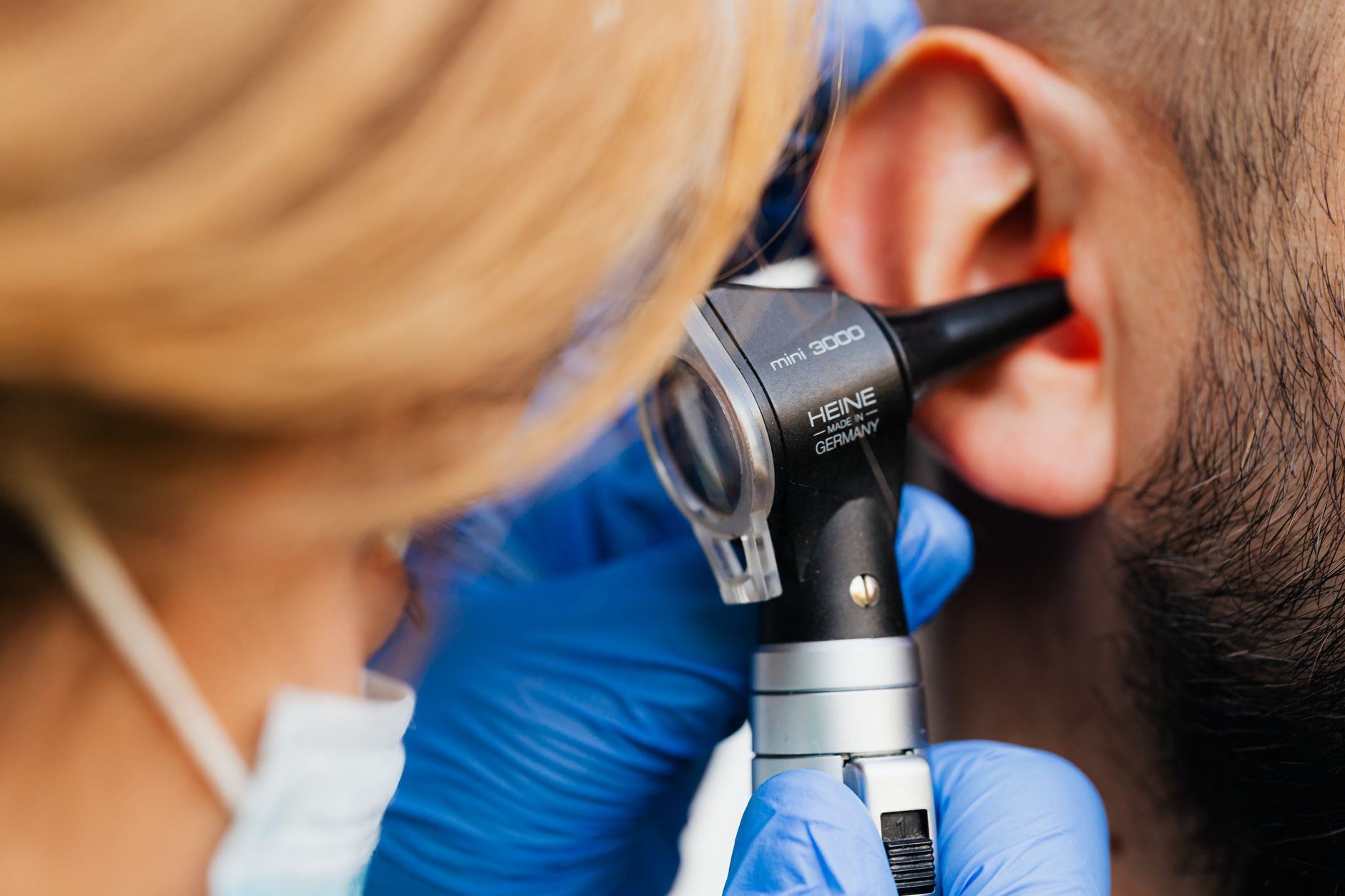
An audiologist can look inside the ear before running any tests. If wax is the cause, removal often restores clarity on the spot. Specialist firms in West Bromwich handle ear wax removal as a standalone appointment, so you do not have to wait for a full assessment to get relief.
This is why describing what you notice matters more than diagnosing yourself. Tell the person taking your enquiry what happens and when. They will direct you to the right appointment, whether that is a test, a wax removal, or both on the same visit.
Booking without pressure
Sending an enquiry does not lock you into buying hearing aids. It starts a conversation. You describe what you have noticed, and someone who handles these appointments every day tells you what usually follows.
If a test seems right, you pick a time. The audiologist runs it, explains the results, and leaves the next step entirely up to you. Some people need nothing more than reassurance. Others find out that a small aid would make conversations easier again.
Local specialist firms in West Bromwich run these appointments. They carry out the tests, fit any devices if wanted, and provide follow-up care. Your role is simply to say what you have noticed and turn up.
Signs your hearing might have changed
Hearing changes rarely announce themselves clearly. They show up as small frustrations in ordinary situations, building gradually until you start wondering if something is wrong.
- 1
Turning the volume up
The television or radio needs to be louder than others find comfortable, especially for dialogue.

- 2
Losing words in busy rooms
Background chatter in pubs or cafes drowns out the person sitting opposite you. This often points to early hearing loss, though poor room acoustics can cause the same problem.

- 3
Asking people to repeat things
You rely on others saying sentences twice, or you nod along hoping context fills the gaps.

- 4
One ear feels blocked
Sound seems muffled or distant on one side, which could be wax buildup or something else.
- 5
Ringing after quiet moments
A buzzing or ringing appears when the house goes still, noticeable mostly at night. It might be tinnitus, but ear wax buildup or other minor issues can produce similar sounds.

Common questions about getting tested
The details people usually want to know before picking up the phone or filling in a form.
- How long does it take?
- The test itself takes around thirty minutes. Allow extra time for the audiologist to discuss the results with you afterwards.
- Does it hurt?
- No. Headphones play tones at varying volumes while you press a button when you hear them.
- Can I bring someone?
- Yes. Having a family member present helps, since they may have noticed things you have not.
- What if it is just wax?
- The audiologist checks your ear canals first. If wax is blocking sound, they can arrange removal before testing.
- Do I have to buy aids?
- No. A test gives you information. Whether you act on it is entirely your decision.
Find out what your hearing needs
Send the details of what you have noticed. A local specialist firm will review your enquiry and suggest the right appointment. You are not committing to anything beyond that first conversation.
- No obligation
- Free to enquire
- Local audiologists