
Why your ear feels blocked and muffled
Find out whether wax is causing the blockage or something else needs attention. Ask for a hearing test or ear wax removal in West Bromwich, and the specialist firm will confirm what you need before you pay anything.
When wax is the cause of a blocked feeling
Earwax is produced by glands in the outer ear canal to trap dust and protect the skin. Most of the time it moves outward on its own and falls away without you noticing. Sometimes it builds up faster than it can clear, especially if the canal is narrow or if something has pushed it deeper.
A wax blockage usually makes sounds seem distant or muffled. You might notice it more on one side. The fullness often changes slightly when you move your jaw or lie down, because the softened wax shifts position inside the canal.
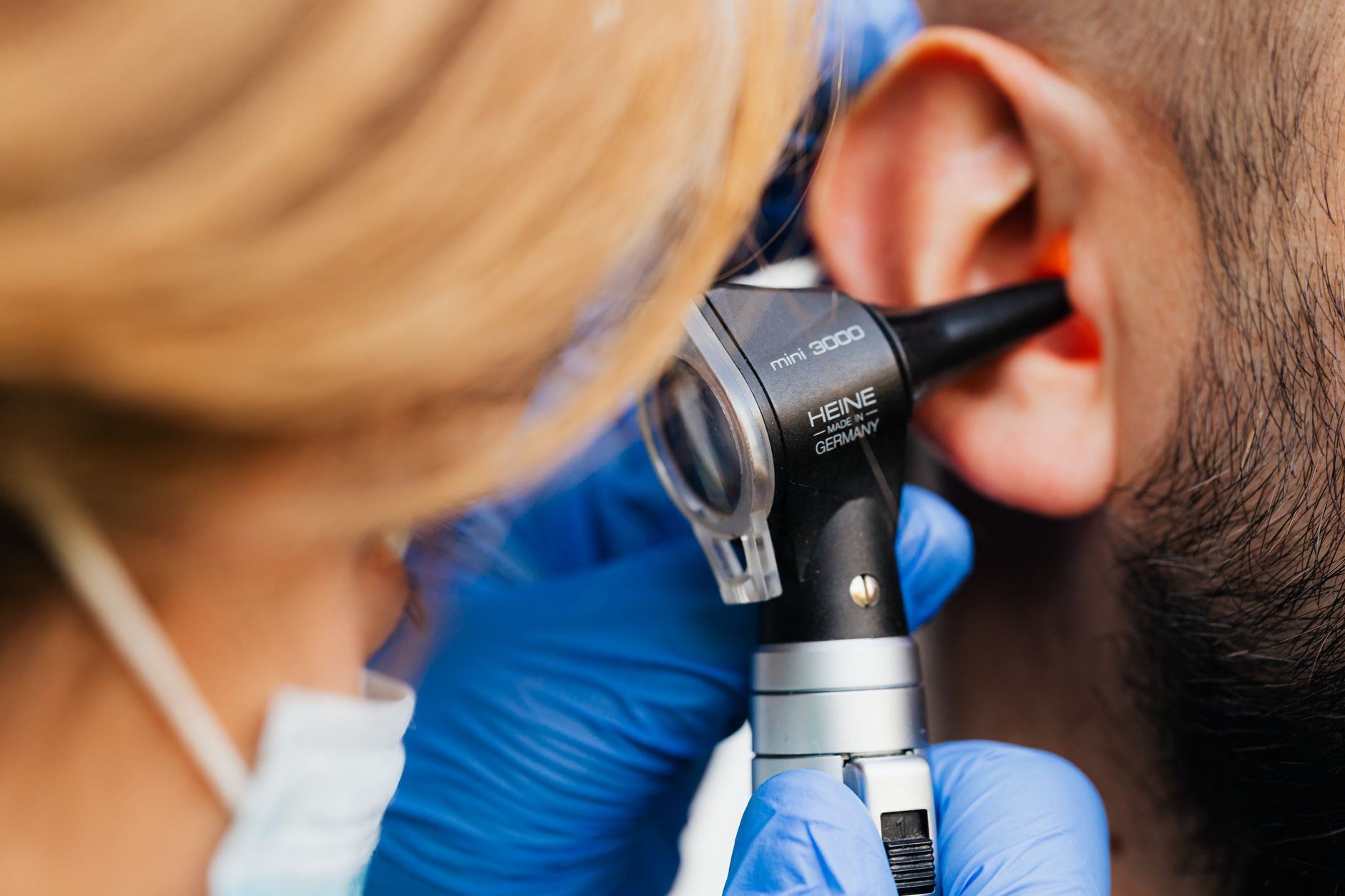
An audiologist examines the ear with an otoscope to see whether wax is actually present and how far back it sits. If wax is the problem, the specialist removes it using microsuction or irrigation. Both methods clear the canal under direct vision so nothing is left behind.
Other reasons an ear feels full or muffled
Wax is only one explanation for a blocked sensation. Fluid trapped behind the eardrum after a cold produces a similar feeling, along with popping or crackling when you swallow. This happens because the tube connecting the middle ear to the throat becomes inflamed and stops draining properly.
Sudden hearing loss in one ear is different from gradual muffling. It can develop over hours or days and sometimes follows a viral illness. An audiologist treats this as urgent because early assessment matters. The specialist runs a hearing test to measure exactly which frequencies have dropped and refers you onward if needed.
Pressure changes during flights or driving through hills can also cause temporary fullness. So can an infection in the outer ear canal, which usually brings pain and tenderness when you pull on the earlobe. Each of these has distinct signs that separate it from a simple wax build-up, and the right appointment depends on knowing which one fits.
Why cotton buds make the problem worse
Pushing a cotton bud into your ear seems like a quick fix. In practice it compacts the wax against the eardrum rather than removing it. The canal narrows toward the drum, so material pushed inward has nowhere to go. It forms a dense plug that traps moisture and bacteria behind it.
Repeated use irritates the delicate skin lining the canal. That irritation triggers the glands to produce even more wax as a defence, creating a cycle where the ear feels fuller each time you try to clean it. Cotton fibres can also break off and lodge deep inside, adding another layer of debris.
Specialist firms performing ear wax removal in West Bromwich see compacted plugs regularly. The audiologist uses instruments designed to work around the curves of the canal without pressing anything against the drum. Leaving the wax alone until then prevents further impaction.
The limits of over-the-counter ear drops
Drops sold at pharmacies aim to soften wax so it drains naturally. They work well for small amounts of soft wax near the opening of the canal. For a deep or hardened blockage they often fall short. The liquid cannot penetrate a dense plug, so it pools on top and adds moisture without loosening anything.
Some drops contain hydrogen peroxide, which fizzes as it reacts with wax. That fizzing can feel alarming if you have a perforated eardrum you do not know about. Liquid entering the middle ear causes pain and risks infection. An audiologist checks the drum before recommending any softening agent.
If drops fail after several days, continuing them rarely helps. Booking an appointment for professional ear wax removal lets the specialist assess the situation directly instead of guessing whether the wax has shifted.
What happens at a wax removal appointment
The appointment begins with questions about your symptoms, medical history and anything you have already tried. The audiologist then looks inside both ears using magnification and light. This examination takes a few minutes and tells the specialist whether wax is present, how much there is and whether the eardrum is intact.
If removal is appropriate, the specialist uses either microsuction or gentle irrigation. Microsuction employs a small vacuum tip guided by a microscope to lift wax away piece by piece. Irrigation uses a controlled stream of warm water to flush the canal. The method chosen depends on the type of wax and the shape of your ear.
Afterward the audiologist re-examines the canal to confirm it is clear. Many people notice the change immediately: voices sound sharper and the pressure lifts. If the specialist finds something other than wax, they explain what the next step should be.
Signs your ear is blocked and what they mean
A blocked ear shows itself in several ways. Some point toward wax, while others suggest fluid, pressure changes or a problem needing prompt assessment. Notice which apply to you before asking for an appointment.
- 1
Sounds seem muffled on one side
One ear hears less clearly than the other. This often means wax is sitting against the eardrum, but fluid or sudden hearing loss can cause it too.
- 2
A feeling of fullness or pressure
The ear feels stuffed, like wearing an earplug. Wax causes this, but so does fluid behind the drum after a cold or allergies.

- 3
Hearing your own voice loudly
Your voice echoes inside your head. Known as autophony, it happens when sound cannot escape the ear canal normally, often because of wax.

- 4
Mild itchiness in the canal
An itch deep inside suggests dry wax or irritated skin. Avoid scratching it, since that pushes debris further in and risks infection.

- 5
Ringing or buzzing noises
Tinnitus sometimes accompanies a blockage. Removing the obstruction may quiet the noise, though ringing has many possible causes.

Questions about blocked and muffled ears
Will my hearing go back to normal once the wax is out?
If wax was the sole cause, hearing usually returns to normal immediately after removal. If the muffling persists, the audiologist investigates other reasons during the same visit.
Can I just wait for the blockage to clear on its own?
Small amounts of wax sometimes work their way out over weeks. A tight plug blocking your hearing rarely clears without help, and waiting risks irritation or infection developing behind it.
Is ear candling safe for removing wax?
No. Ear candles do not create enough suction to draw wax out. They deposit candle residue in the canal and carry a burn risk. Specialist firms do not use or recommend them.
How do I know if I need a hearing test instead?
If the blockage came on suddenly without obvious wax, or if clearing the ear did not restore your hearing, book a hearing test. The audiologist measures your thresholds and identifies the cause.
Should I use drops before my appointment?
Only if the specialist advises it. Softening agents help in some cases but can worsen others, particularly if your eardrum has a hole you are unaware of. Leave the decision to the audiologist.
Get clarity on your blocked ear
Send your details and describe what you hear. The enquiry goes to a specialist firm in West Bromwich who will tell you whether you need wax removal or a hearing test. There is no charge for asking.
- No obligation to book
- Local specialist firms
- Free initial advice