
Arranging a hearing test for your parent
Send an enquiry about a hearing test in West Bromwich for your mother or father. There is no charge to ask, and you can do it on their behalf before they decide anything.
Starting the conversation about hearing loss
Mentioning that someone might be losing their hearing rarely goes smoothly. Most older people resist the idea because they associate hearing aids with frailty, or because they have simply adapted to missing words and do not realise how much they have stopped hearing.
Pick a quiet moment rather than raising it during an argument about the television volume. Frame it around something specific you have noticed, like them asking you to repeat yourself more often lately, rather than making a general statement about their hearing. Suggesting a test as a routine check, similar to an eye exam, often lowers the stakes.
You cannot force the issue. If they refuse, leave it alone for a few weeks and try again. Sometimes hearing a friend mention their own hearing test makes the idea feel less threatening. Your role is to plant the thought and offer to handle the logistics when they are ready.
Sending an enquiry on someone else's behalf
You do not need your parent to sit at a computer to get things started. You can send an enquiry for them, giving their name, age and a brief description of what you have noticed. The specialist firm will use those details to suggest the right type of appointment.
When you enquire, mention whether your parent would prefer a phone call or if they would rather you fielded the first contact. Some older people are wary of unexpected numbers ringing their landline. Clarifying this upfront prevents missed calls and frustration.
The practice needs the patient's consent before any appointment takes place. If your parent has capacity to make their own decisions, the audiologist will confirm directly with them that they want to proceed. You can arrange everything up to that point, but the final agreement must come from the person having the test.
What happens during the hearing test
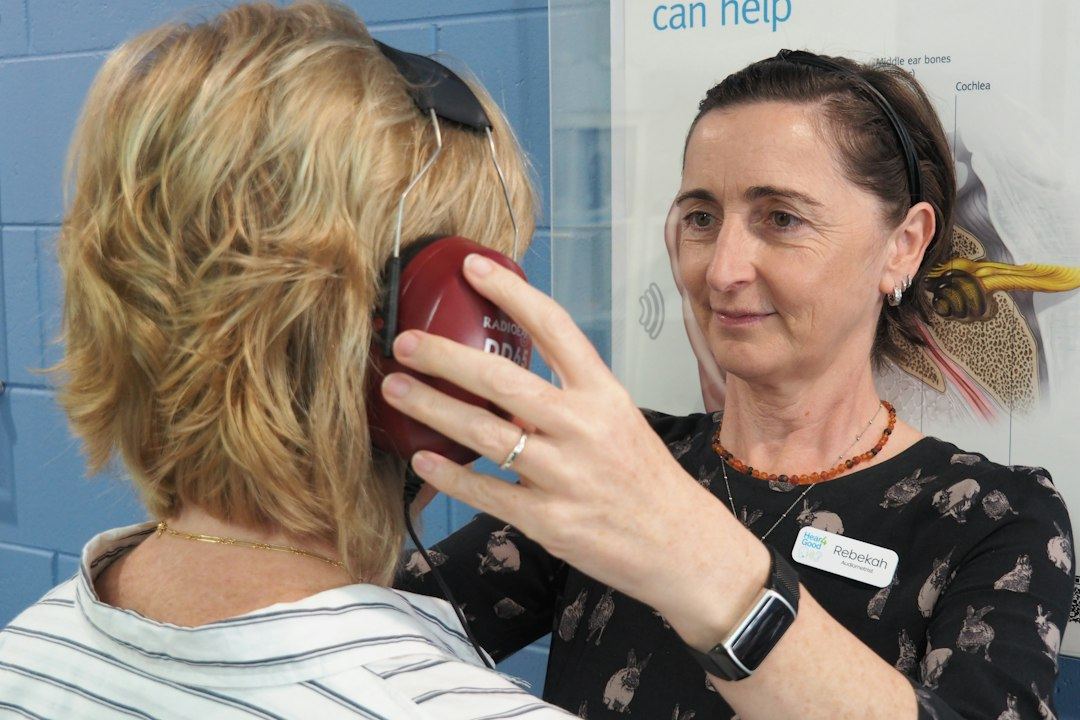
A standard hearing test takes about thirty minutes. The audiologist will ask questions about medical history, any medications being taken, and situations where listening feels difficult. Then your parent will wear headphones and respond to tones played at different pitches and volumes.
The test measures the softest sounds each ear can detect across several frequencies. It also checks how clearly speech is understood, sometimes with background noise added to simulate a busy room. None of it hurts, and nothing goes inside the ear beyond the headphones.
After the measurements, the audiologist explains the results using a chart called an audiogram. They will say whether hearing falls within normal limits or if there is a loss, and where that loss sits in terms of severity. If hearing aids would help, the audiologist outlines the options available without any pressure to buy on the day.
Home visits for people who struggle to travel
Getting to a clinic can be the biggest obstacle. If your parent uses a wheelchair, tires easily, or feels anxious leaving the house, ask about home visits when you send your enquiry. Several specialist firms in the West Bromwich area carry out full hearing tests in a living room.
The audiologist brings portable equipment that performs the same measurements as the clinic version. They need a reasonably quiet room and a table to set up on. The visit usually lasts slightly longer than a clinic appointment because the audiologist allows extra time for settling in.
Not every practice offers home visits, and availability depends on where your parent lives within West Bromwich. Mentioning mobility issues or transport problems in your initial enquiry helps the right firm respond. Home visits typically cost the same as clinic appointments, though you should confirm this before booking.
If the test shows hearing aids are needed
Finding out that hearing aids would help can feel like a large step. The audiologist will explain which styles suit your parent's level of hearing loss and manual dexterity. Small devices that sit entirely inside the ear canal are discreet but require steady fingers to insert and change batteries. Behind-the-ear models are easier to handle and often better for severe losses.
Modern hearing aids adjust automatically to different environments, reducing the amount of fiddling required. The audiologist programmes them based on the test results and fine-tunes the settings over follow-up appointments.
Your involvement matters here. Older people frequently stop wearing hearing aids in the first few weeks because the new sounds feel overwhelming. Having someone nearby who understands why the adjustment period feels strange, and who can encourage them through it, makes a real difference to whether the devices become part of daily life.
Signs your parent might need a hearing test
Hearing loss in older adults develops slowly. By the time it becomes obvious, they have usually been compensating for months or years without recognising the effort it takes.
- 1
Television turned up loud
Other people in the room find the volume uncomfortable, but your parent insists it is too quiet to follow the dialogue.

- 2
Asking you to repeat yourself
They request repetition frequently, especially when you speak from another room or while facing away from them.
- 3
Withdrawing from conversations
They stop joining group chats or sit quietly at family meals because following multiple voices requires too much concentration.

- 4
Answering unrelated questions
They respond to something you did not say, suggesting they filled in gaps rather than heard the actual words.

- 5
Avoiding the telephone
They let the mobile ring out or ask you to make calls for them because listening through a handset feels unreliable.

Questions about testing a parent's hearing
Answers to common concerns. For anything not covered here, send an enquiry directly. Ask a question.
- Can I book a hearing test for my mum without her knowing first?
- You can send the enquiry and discuss options, but the specialist firm will need your mother's consent before scheduling the appointment. She must agree to attend. You can handle all the arrangements up to that point so she does not have to manage phone calls or forms.
- How long does a hearing test take for an elderly person?
- The test itself takes about thirty minutes. Allow an hour total for the appointment, including the initial discussion about medical history and the explanation of results afterward. Audiologists working with older patients tend to move at a comfortable pace rather than rushing through the steps.
- Will the audiologist come to my dad's house in West Bromwich?
- Some specialist firms in West Bromwich offer home visits for people who find travel difficult. Mention mobility problems or transport issues when you enquire so the right practice responds. Home appointments use the same portable testing equipment found in clinics.
- My parent refuses to go. What can I do?
- You cannot force attendance. Try framing the test as a routine check rather than a response to a problem. Sometimes waiting a few weeks and mentioning it casually works better than a direct confrontation. Hearing about a friend's positive experience can also change their mind.
- Does my parent need to pay for the hearing test?
- NHS hearing tests are free but involve waiting lists. Private tests in West Bromwich typically cost between fifty and one hundred pounds. When you enquire, ask about current pricing. Some practices waive the test fee if hearing aids are fitted afterward.
- What if they just have ear wax blocking their hearing?
- That is possible. Excess wax causes muffled hearing and can mimic hearing loss. The audiologist will look inside the ear before testing. If wax is the problem, they may recommend removal first, then retest to see if hearing returns to normal.
Enquire about a hearing test for your parent
Tell us what you have noticed and where your parent lives in West Bromwich. The enquiry goes to a local specialist firm who will respond with appointment options. It does not commit your parent to anything.
- No obligation to proceed
- Enquire on their behalf
- Home visits available