Ear wax removal for residents in Dudley
Send your details to find out if a blocked ear needs professional attention. An initial enquiry costs nothing and takes a minute. You will hear back with the next step, not a sales pitch.
Hearing services available near Dudley
Wax buildup is one reason sound fades. The specialist firms covering this area handle several related problems, so you can ask about any of them at once.
-

Ear Wax Removal
The specialist examines the ear canal and uses microsuction or irrigation to clear compacted wax safely without pushing it deeper.
-

Hearing Test
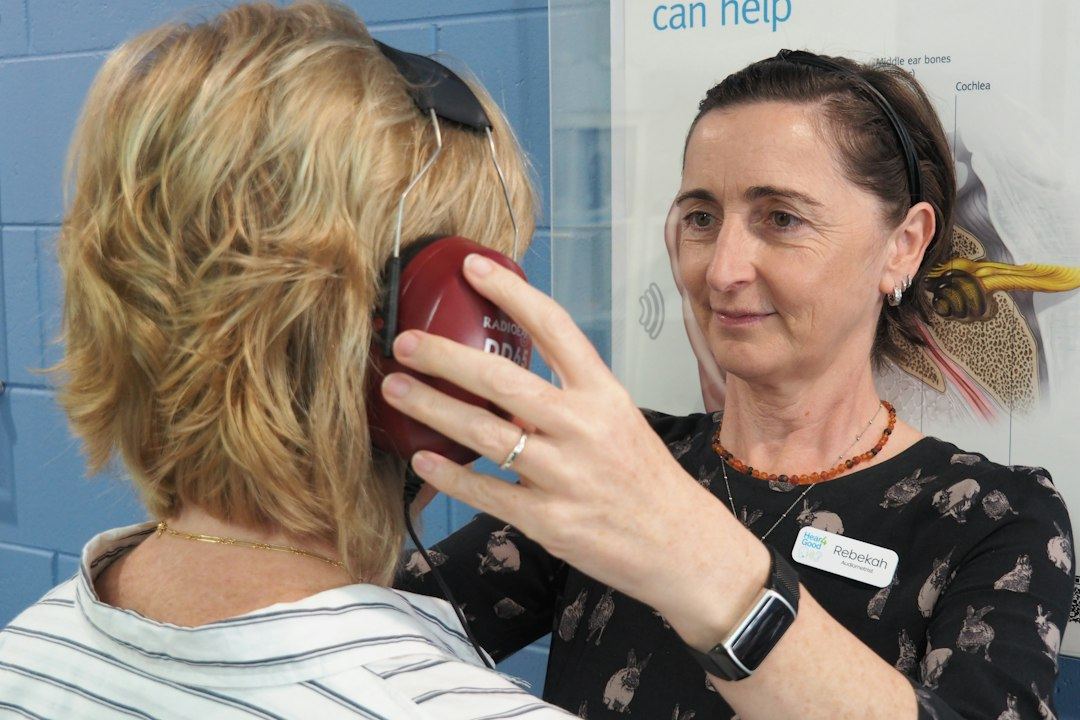
An audiologist measures how each ear responds to different pitches and volumes, recording the results on an audiogram.
-

Audiologist
A registered audiologist reviews your history, examines your ears and interprets the test results to recommend what happens next.
-
Hearing Aids
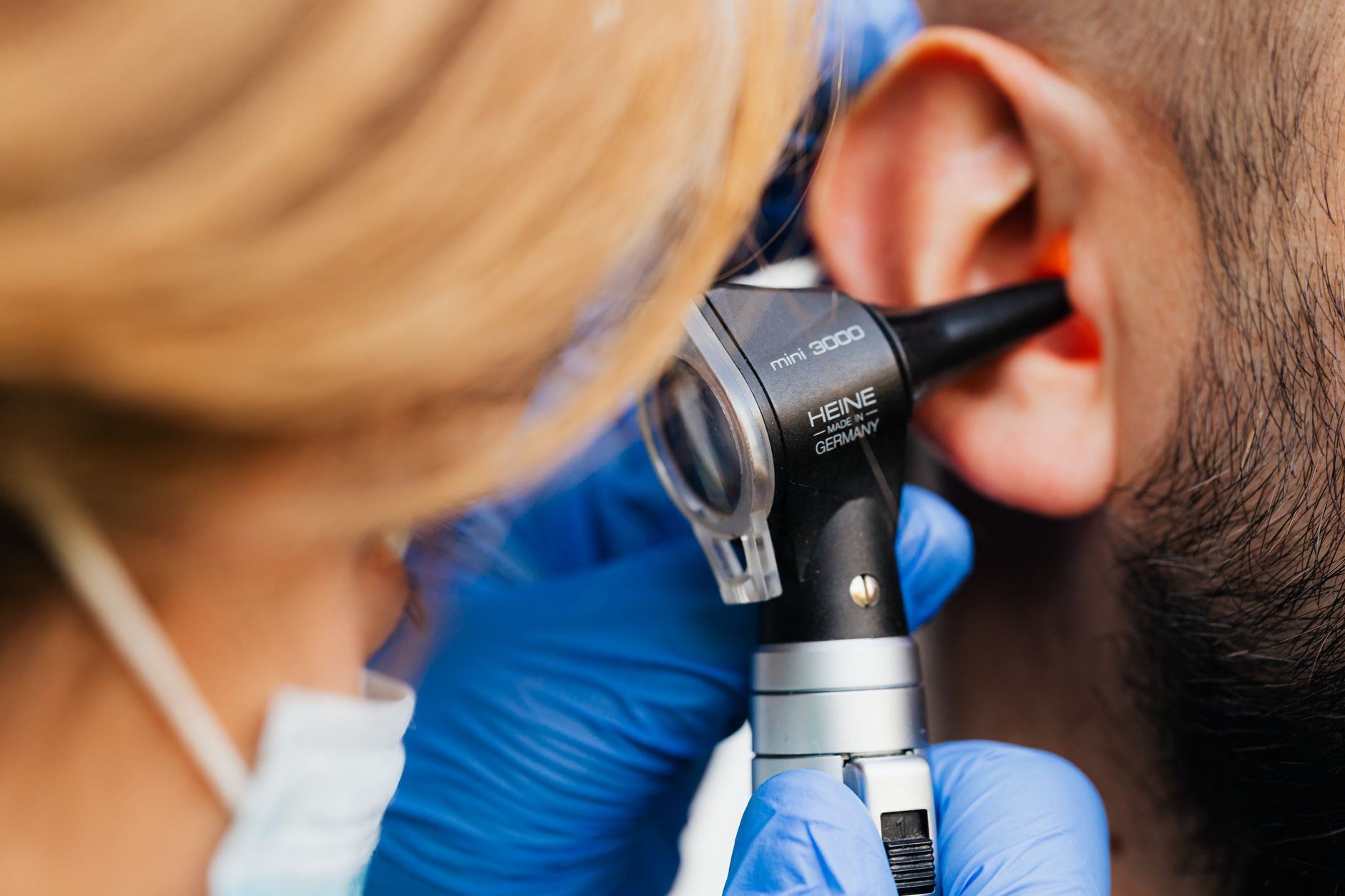
The specialist examines the ear canal, confirms whether wax is causing the blockage, and removes it safely using microsuction or irrigation so hearing returns to normal.
Why wax builds up
How ear wax affects hearing as you get older
Dudley has the highest share of residents aged 65 and over in the region at 20.4 percent. Age changes how the ear clears itself.
- Slower natural clearance Ear canals produce wax continuously. As skin thins with age, the tiny hairs that push old wax outward slow down, so it stays put and hardens.
- Muffled conversations Compacted wax acts like an earplug. Voices sound distant or distorted, especially higher pitches, making it harder to follow people in busy rooms.
- Ringing and pressure A solid plug presses against the eardrum. That pressure causes a constant ringing or buzzing sensation that does not stop until the blockage goes.
- Hearing aid interference Wax traps moisture behind a hearing aid dome. The device whistles, cuts out or stops working entirely because the microphone port is clogged.
Removal methods
How the specialist clears a blocked ear
- Microsuction
- A small vacuum tube draws softened wax out under direct vision. The specialist watches through magnification the entire time to keep the canal safe.
- Irrigation
- Controlled pulses of warm water flush debris from the canal walls. The specialist adjusts the pressure based on how impacted the wax has become.
- Examination first
- Before any removal, the specialist looks inside with an otoscope to check for infection, perforation or other reasons why standard extraction would be unsafe.
- Aftercare advice
- Once the canal is clear, the specialist explains how to keep it that way using drops or habits suited to how quickly your ears produce wax.
What you receive after the appointment
Every visit produces written evidence of what the specialist found and did. You leave with a record you can show your GP or keep for yourself.
Otoscopy images
Photographs of the ear canal before and after removal, showing exactly what was blocking the drum and confirming it is now clear.
Audiogram printout
A chart plotting your hearing thresholds across frequencies, giving you a baseline to compare against if sound changes again later.
Written recommendations
Notes on whether you need follow-up care, hearing aids or simply a schedule for future wax checks based on what the specialist observed.
Ask about getting your ears cleared
Send a few details about your symptoms. Someone will reply with whether a specialist visit makes sense. It does not book you into anything or cost a penny.
- No obligation
- Free initial enquiry
- Local specialists